

The Honest Style Guide Nobody Gave You — Until Now
Nobody walks out the door thinking: I hope I look like I tried and failed today. And yet — here we are. You spent real money on that top. You spent time picking that outfit. And somehow, it still doesn’t look quite right.
The frustrating part? It’s rarely about the clothes themselves. It’s about a handful of small, fixable habits that quietly undermine everything you put on. The great news is that once you know what they are, you can’t unsee them — and fixing them costs next to nothing.
I started paying attention to these details a few years ago and it genuinely changed how I dress. No wardrobe overhaul, no splurging on new pieces. Just smarter choices with what was already hanging in my closet. Here are the 15 mistakes making your clothes look cheap. I see most often — and exactly how to fix every single one.
15 Style Mistakes You’re Probably Making Without Knowing It
1. The Size Is Off — and It Shows

Nothing undermines a great outfit faster than clothes that don’t actually fit the person wearing them. Oversized garments swallow your shape. Undersized ones create tension lines, gaps, and pulling — none of which says ‘I put thought into this.’
What’s wild is that fit matters more than price. A well-cut $25 blouse on a body it was tailored to will always read as more polished than a designer piece two sizes too large worn ‘casually.’ Fit is the foundation — get that right first.
Most of us avoid tailors because we assume it’s expensive. It’s really not. Hemming a pair of trousers typically runs you less than a takeout meal. FYI, it’s probably the best cost-per-wear investment in fashion.
✦ Quick Fix: Identify three to five pieces you wear constantly and get them properly altered. Focus on shoulders, waist, and hem length first — these three adjustments transform how any garment sits on the body.
2. Choosing Fabric That Looks Cheap — Because It Is
There’s a certain kind of fabric that photographs beautifully on a product page and looks utterly deflated in person. You know the one. Slightly shiny. Slightly see-through. Wrinkles the moment it touches your body.
Poor-quality synthetic textiles don’t drape well, cling unpredictably, and often develop pilling after minimal wear. The fabric is visible from a distance in a way that quality is not — but cheapness absolutely is.
Natural fibers breathe, move, and age with dignity. A linen dress, a cotton shirt, a wool blazer — these fabrics have a weight and drape that synthetics simply cannot replicate at a low price point.
Advertisement
✦ Quick Fix: Run a quick touch test before buying: scrunch the fabric firmly and hold for five seconds. High-quality fabric recovers its shape. Poor-quality fabric stays crumpled — and that’s exactly how it will look when you wear it.
3. Wearing Every Accessory You Own at Once

More is not always more. In fact, in the context of accessories, more is almost always… just more. When every element of an outfit is fighting for attention, the overall effect is visual chaos — not luxury, not personality, not style.
The accessories that read as expensive are usually the ones worn with intention and restraint. One great piece, worn confidently, elevates everything around it. Six good pieces worn simultaneously just cancel each other out.
Advertisement
Think of accessories like seasoning. A pinch of the right thing transforms a dish. An entire spice rack dumped in ruins it. :/
✦ Quick Fix: Before leaving home, identify your one anchor accessory — the piece the outfit is built around — and edit everything else down to almost nothing. Let that single piece do its job without competition.
4. Holding On to Clothes That Have Seen Better Days

That sweater you’ve had since university. The black jeans that are now more of a dark gray. The boots with the worn-down heel you keep meaning to get fixed. We become blind to the deterioration of clothes we’ve owned for a long time — and that blindness is expensive in a style sense.
When you look at your outfit the way a stranger on the street would see it — objectively, without the nostalgia — what do they see? Someone who’s on top of their appearance, or someone who just hasn’t updated their wardrobe in three years?
✦ Quick Fix: Once a season, pull out your most-worn pieces and examine them under good lighting. Pilling, fading, distorted hems, stretched elastic — any of these is a retirement flag. A fabric shaver can rescue light pilling, but severe wear means it’s time to let go.
5. Underestimating What’s Underneath

The foundation layer isn’t glamorous. Nobody’s posting about their seamless nude underwear on Pinterest. But what you wear underneath has a direct and visible impact on everything worn on top of it — and most people either ignore this entirely or settle for whatever’s comfortable.
Visible bra straps under delicate fabrics, underwear lines through fitted trousers, a bra that fits poorly and distorts the silhouette — these details register instantly, even if subconsciously, and they read as careless.
✦ Quick Fix: Build a small, intentional underwear wardrobe: a seamless nude bra, a strapless option, seamless knickers in a few neutral shades. Match your nude pieces to your actual skin tone, not a generic beige. The right foundations make every outfit look cleaner and more deliberate.
6. Skipping the Two-Minute Wrinkle Check

Wrinkles communicate one thing before you’ve said a word: ‘I was in a hurry and it shows.’ A beautifully made silk shirt pulled directly from a travel bag looks no different than one from a budget brand if both are equally crumpled.
This is genuinely one of the easiest style fixes on this list. Two to three minutes with a steamer transforms how a garment looks — and by extension, how you look wearing it.
✦ Quick Fix: Invest in a handheld fabric steamer — they’re inexpensive, quick to heat up, and gentler on fabric than a traditional iron. Alternatively, hang items in the bathroom before your morning shower; the steam loosens wrinkles overnight with zero effort required.
7. Clashing Colors and Patterns Without a Unifying Logic
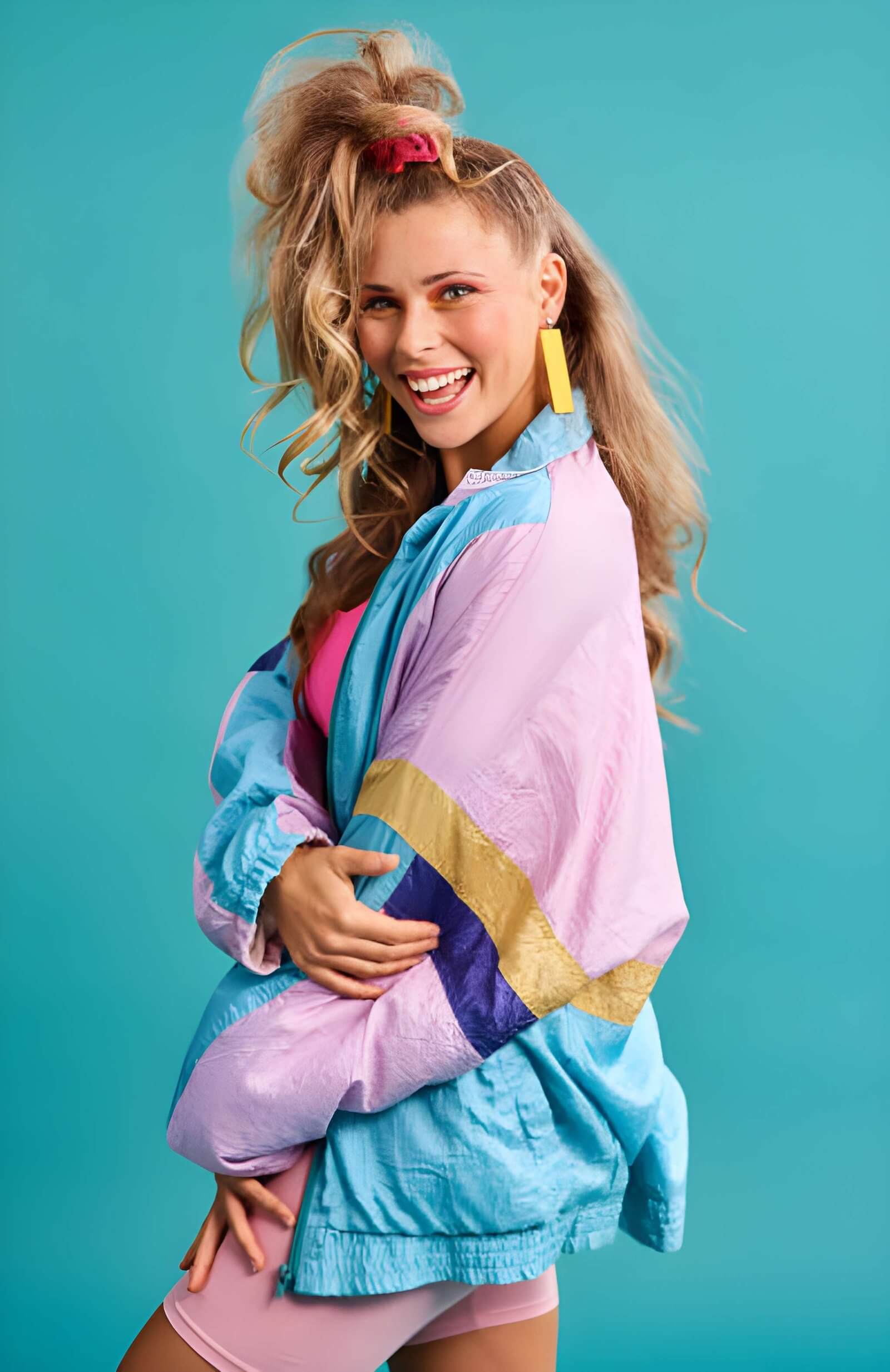
Pattern mixing is a legitimate and beautiful style technique. It can also go spectacularly wrong, and the difference between chic and chaotic comes down entirely to having a visual reason for why those two things belong together.
Random combinations — a large floral with a medium stripe in unrelated colors — create visual noise. But two patterns with a shared color, or similar scale, create cohesion. The eye needs something to follow.
The Two Rules That Make Pattern Mixing Work
Rule one: match the scale — large prints pair with large prints, small with small. Rule two: share at least one color between both patterns. Follow either rule and the combination will almost always work.
✦ Quick Fix: If you’re uncertain whether two patterns work together, ground the look with a solid neutral as a third element — a white shirt, a black trouser, a camel coat. The neutral acts as a visual buffer and ties everything together.
8. Letting Your Shoes Break the Mood of the Outfit

Credit : Your girl knows
Shoes carry more visual weight in an outfit than most people realize. They signal the register you’re dressing in — formal, casual, intentional, or thrown-together — and when they don’t match the energy of the rest of the look, the whole outfit reads as unfinished.
This isn’t about always wearing heels. A sleek white sneaker with tailored trousers is a conscious style choice that reads as deliberate. Scuffed trainers with the same trousers look like you forgot to change shoes after the gym.
Four Shoes That Cover Almost Every Situation
A clean white sneaker, a classic loafer, a block-heel mule, and a leather ankle boot. These four styles between them handle roughly 90% of dressing scenarios and look intentional across casual, smart-casual, and semi-formal contexts.
✦ Quick Fix: Keep your footwear in good condition — clean, resoled when needed, free from visible scuffs. The condition of your shoes communicates effort more than the style of them does.
9. The Small Careless Details That Catch Everyone’s Eye

A price tag visible at the back of the collar. A size sticker still on the lens of sunglasses. A care label poking out from a waistband. These are the kinds of details that instantly communicate inattention — and they’re the first thing a sharp eye will notice.
I once wore a new blazer to an important meeting with the dry-cleaning tag still pinned to the inner pocket. My colleague noticed within five minutes. We both pretended she hadn’t. The point is: these things get noticed, even when people are too polite to say anything.
✦ Quick Fix: Make a pre-departure ritual out of checking for tags, labels, and stickers. It takes less than thirty seconds and prevents the specific kind of embarrassment that lingers.
10. Washing and Storing Clothes Without Reading the Label
Garment care is one of the most overlooked aspects of maintaining a polished wardrobe, and the damage done by incorrect washing is gradual enough that most people don’t connect the cause to the effect. Your clothes don’t just age — they age faster when you treat them incorrectly.
A cashmere piece that goes through a standard hot wash cycle loses its softness and structure, often permanently. A structured blazer stored folded instead of hung loses its shoulder shape. IMO these are avoidable losses that quietly degrade your wardrobe over time.
✦ Quick Fix: Before washing anything for the first time, check the care label and actually follow it. Delicates get cold water or handwashing. Structured pieces get hung immediately. Knitwear gets stored flat. These small habits extend the life — and look — of your clothes significantly.
11. Matching Everything So Precisely It Looks Like a Uniform

There’s a version of ‘put together’ that tips into ‘overdone,’ and it usually involves every accessory in an outfit being the exact same shade. Matching bag, matching shoes, matching belt, matching earrings — it reads as effortful in a way that undermines itself.
Genuinely polished dressing is about coordination, not uniformity. The difference is the difference between a space designed by an interior decorator and a furniture showroom. One has intention and variety. The other has perfect matching and no soul.
✦ Quick Fix: Work within a cohesive palette of two or three tones rather than one repeated color. Allow your pieces to relate to each other without being identical. Tonal variation — different shades within the same family — looks far more sophisticated than a perfect match.
12. Wearing Proportions That Work Against Your Frame
Proportion is the element of style that most people feel but can’t name. When an outfit looks ‘off’ for no obvious reason — the clothes are clean, they fit, the colors work — it’s almost always a proportion problem.
Volume needs to be balanced between the top and bottom halves of the body. An oversized coat over wide-leg trousers creates an unbroken column of bulk that loses all definition. That same coat over slim trousers creates an intentional, elegant silhouette.
The Rule That Solves Most Proportion Problems
One half fitted, one half relaxed. Volume on top requires structure on the bottom. Volume on the bottom requires a fitted or tucked top. Apply this consistently and the balance will read as intentional almost every time.
✦ Quick Fix: Look at your full-length silhouette in a mirror before leaving — not to critique your body, but to assess visual balance. Ask: where is the volume, and is it balanced? Adjust accordingly.
13. Letting Logos Do the Work Your Style Should Be Doing

This might be the spiciest thing in this article, but: visible logos at high volume don’t read as wealthy — they read as wanting to appear wealthy. These are different things, and a trained eye can tell the difference immediately.
The most expensive-looking wardrobes are often the quietest. Beautifully cut clothes in quality fabrics, worn with confidence — no logos required. The clothes do the talking because the quality is visible. That’s the goal.
✦ Quick Fix: If you love a logo piece, wear it as a single focal point against an otherwise understated outfit. One branded item worn with clean basics looks intentional. Four branded items layered together looks like a promotional event.
14. Chasing Trends That Don’t Suit Your Actual Body

Every season produces a silhouette that looks incredible on the models wearing it in the campaign images and profoundly strange on most real bodies — because it was designed for a specific set of proportions. Trend relevance is not the same thing as flattery.
Dressing well for your body is not about following rules that limit you. It’s about understanding which silhouettes genuinely make you feel good — and prioritizing those over whatever’s currently popular. A person wearing something that suits them exudes something no trend can manufacture.
✦ Quick Fix: Keep a mental note of the three or four silhouettes that consistently make you feel most confident. When shopping, filter everything through that lens first. Trend second, genuine flattery first — every time.
15. Buying for the Hanger Instead of for Yourself
The most expensive style mistake has nothing to do with what you’re wearing right now. It’s every beautiful, impractical, ‘I’ll find something to wear it with’ purchase sitting in your wardrobe with the tags still on.
A piece that looks stunning on a display but makes you feel unsure in the mirror isn’t doing your style any favors — regardless of the price. Clothes only look expensive when the person wearing them looks comfortable and confident. That’s not something you can style your way into if the piece isn’t right for you.
Real confidence in clothing comes from wearing things that feel genuinely like you. Not aspirationally like you. Not theoretically like you. Like you, right now, walking out the door today.
✦ Quick Fix: Before any purchase, pause and ask one question: ‘Would I wear this tomorrow?’ Not to a hypothetical event. Not when you’ve found the right shoes for it. Tomorrow. If the answer is anything other than yes — you have your answer.
The Real Secret to Looking Expensive
Here’s what all 15 of these mistakes have in common: they’re about attention. Not money, not access to better clothes, not a particular body type. Just paying attention to fit, condition, proportion, and the small details that add up to a first impression.
You don’t need to rebuild your wardrobe. You need to look at the one you have with honest, fresh eyes. Pick two or three things from this list and address them this week. The change in how your clothes look — and how you feel wearing them — will be immediate and obvious.
Style isn’t reserved for people with bigger budgets. It belongs to anyone willing to pay attention. And now you know exactly what to pay attention to. 🙂
Save this. Your future outfits will genuinely thank you.