
You’ve bought five products, layered them all in one night, and woke up with skin that looked worse than when you started. Sound familiar? Yeah, we’ve all been there.
The internet is drowning in skincare advice. TikTok says use retinol, your friend swears by niacinamide, and some Reddit thread has you convinced you need a 12-step Korean routine before breakfast. No wonder beginners feel completely lost.
Here’s the truth: a simple, consistent routine beats a complicated one every single time. And in this guide, I’m going to show you exactly what that looks like — step by step, product by product — without overwhelming you.
Acne starts when your pores become clogged with excess oil, dead skin cells, and germs.Hormones make it worse, especially in your teens and 20s. But the good news? You don’t need 12 products to fight it. You need the right three.
The Mistakes Every Beginner Makes (Don’t Be That Person)
Before we get into the actual routine, let’s talk about what not to do. Because honestly, half of clearing up acne is just stopping the things that are making it worse.
-
Using too many products at once
This is the number one mistake. You introduce five new products in a week, break out, and have absolutely no idea which one caused it. Start with three products max and give your skin time to respond.
-
Overwashing your face
Washing in the morning, midday, after a workout, and before bed removes your skin’s barrier and stimulates further oil production. It is sufficient to use it twice a day, in the morning and at night.
-
Skipping moisturizer
“But my skin is already oily!” I understand. The problem is that your skin overcompensates by creating more oil when you deprive it of moisture.
-
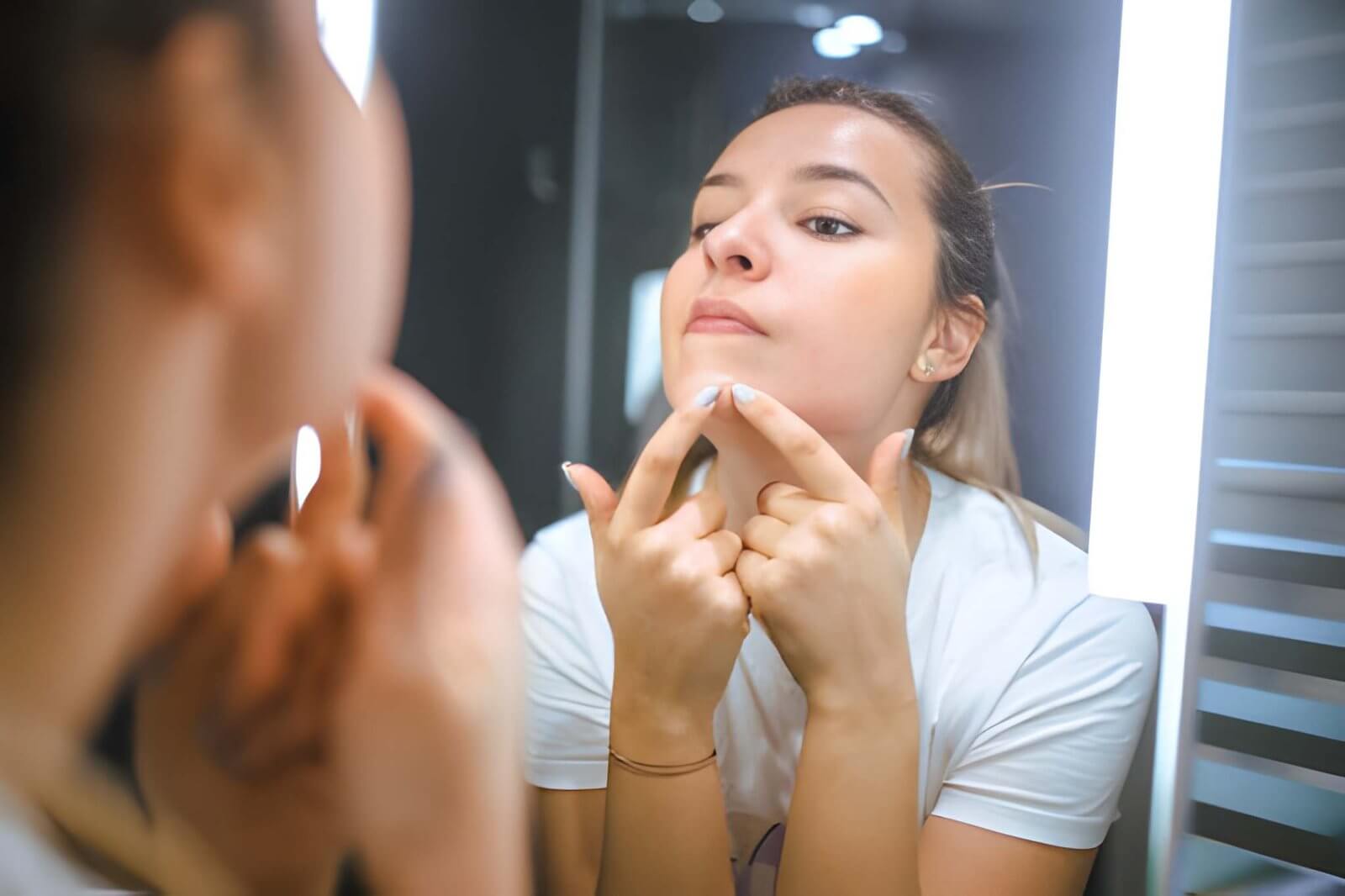
Picking and popping pimples
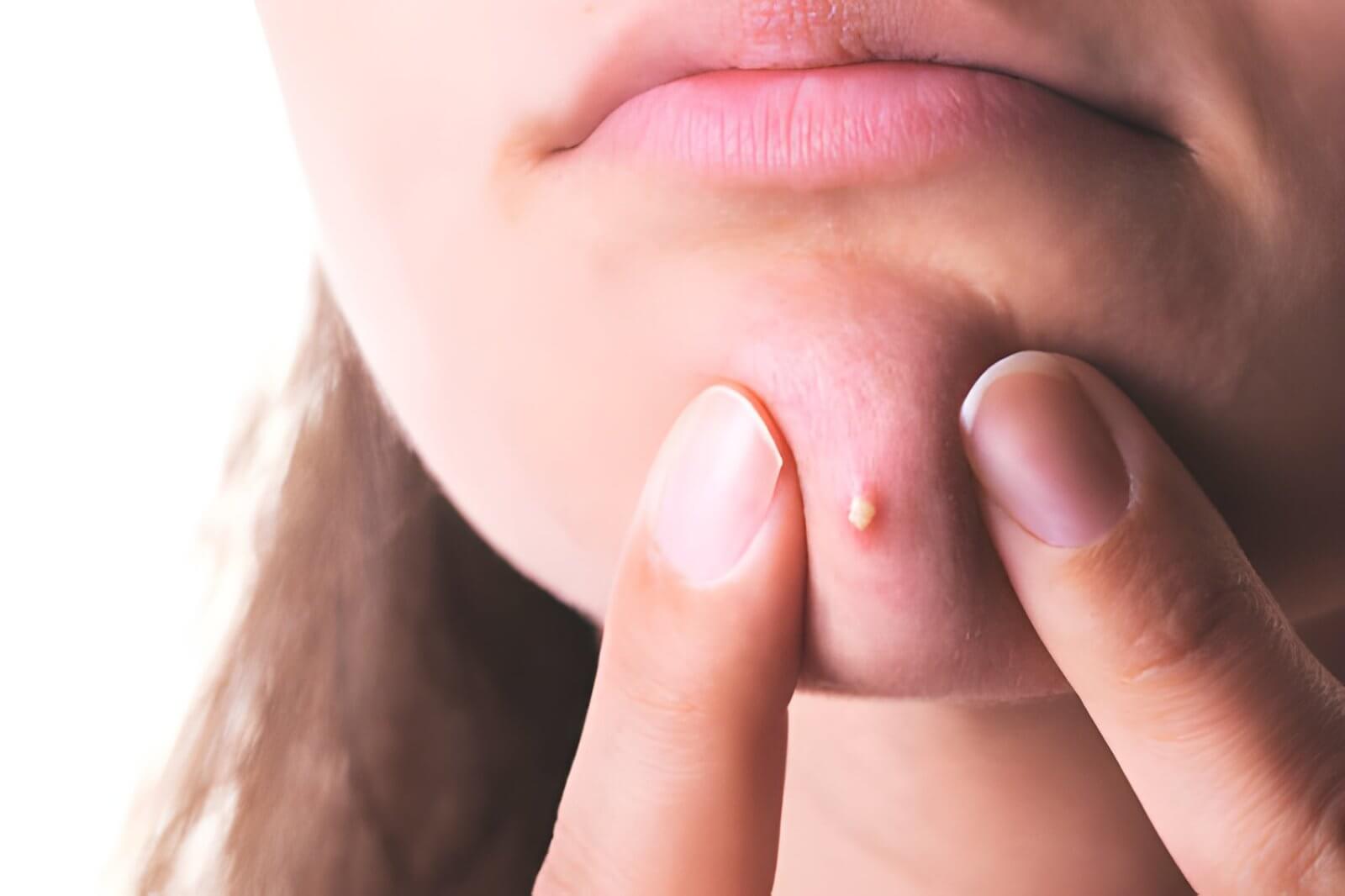
The riskiest and most fun thing you can do. Picking causes black marks (PIH) that persist for months after the pimple has cleared up and distributes germs.
- Changing products every week
Skin takes 4–6 weeks to respond to a new product. Switching every few days is like planting a seed and digging it up the next day to see if it’s grown. Give. It. Time.
Advertisement
The Best Skincare Routine for Acne Beginners
Now, this is the part you really came for. Since simplicity is the key, I’m limiting each routine to three steps, both morning and night. From here, you can always build.
☀️ Morning Routine
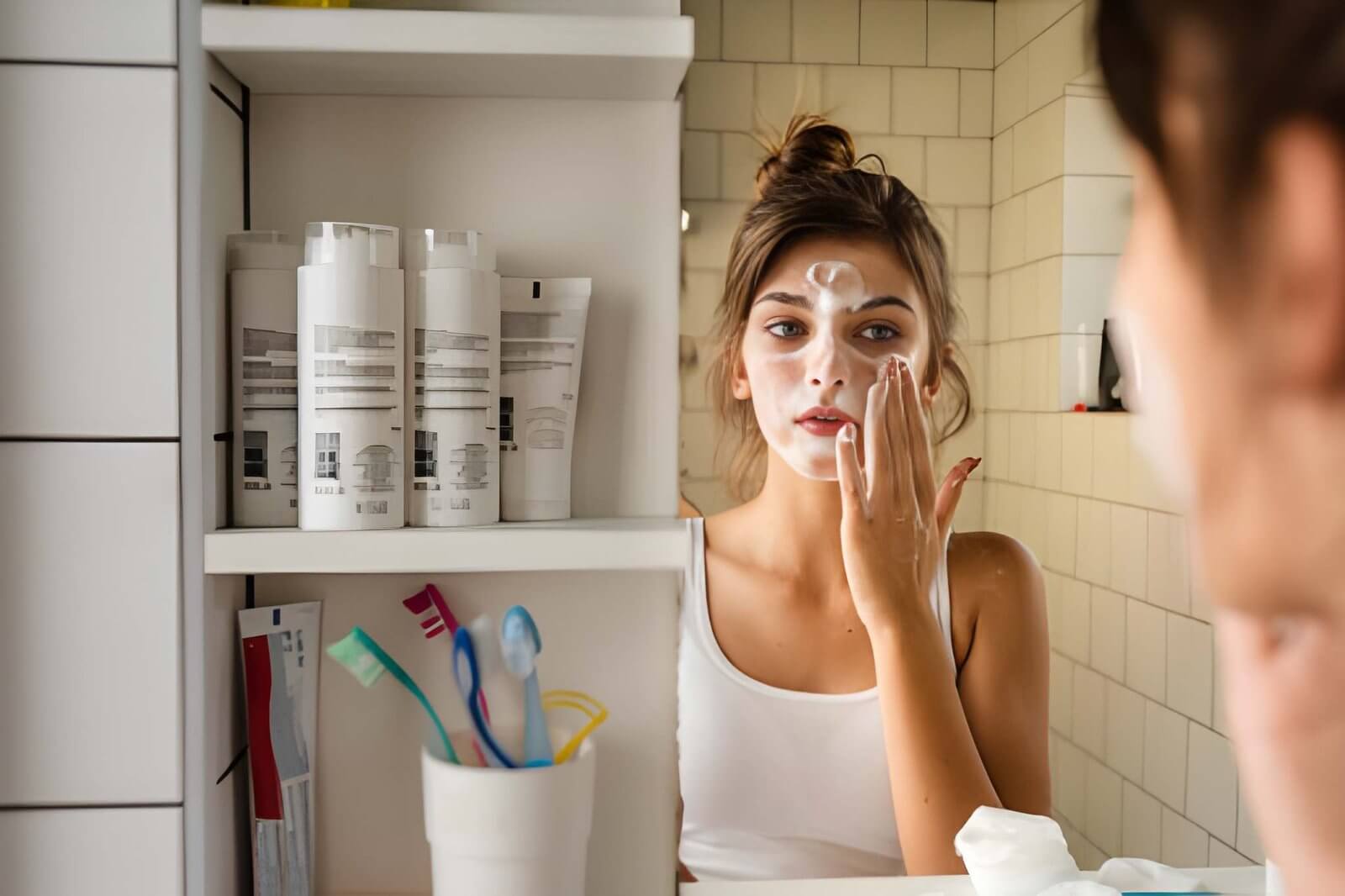
Your morning routine is all about protection. You’re prepping your skin to face the world — pollution, bacteria, sweat, and UV rays that darken every single acne mark you have.
- Gentle Cleanser
Begin with a gentle cleaner that does not strip. You’re seeking for a bedtime oil remover that won’t harm your skin barrier. If the product is branded “non-comedogenic,” it will not clog your pores.
Advertisement
- Lightweight Moisturizer
To prevent your skin from going into oil-overproduction mode, use a mild, oil-free moisturizer. Gel formulas work great for oily and combination skin.
This one is non-negotiable, full stop. UV exposure darkens post-acne marks dramatically. If you skip sunscreen, you’re actively making your acne scars worse every single day you go outside. FYI — this applies even on cloudy days.
🌙 Night Routine
Nighttime is when your skin repairs itself. This is when you use your actives — the ingredients that actually treat acne at the source.
- Cleanser (same as morning)
If you’ve worn sunscreen (which you should have), consider a double cleanse — a gentle micellar water or oil cleanser first, then your regular gel cleanser. Sunscreen that sits on your skin overnight = clogged pores.
- Acne Treatment
This is your workhorse. Choose ONE of these two proven actives and stick with it:
- Salicylic acid (BHA) — gets inside the pore and dissolves the gunk causing the blockage. Great for blackheads and congestion.
- Benzoyl peroxide — kills acne-causing bacteria directly. Best for inflamed, red pimples.
Don’t use both at the same time when starting out. Pick one, use it every other night for the first two weeks, then build up to nightly if your skin tolerates it.
- Moisturizer
Always moisturize after your treatment. Actives can dry out the skin, and dry skin = irritation = more breakouts. Seal everything in with a lightweight cream or gel.
Level Up: Weekly Add-Ons (Optional, Not Mandatory)
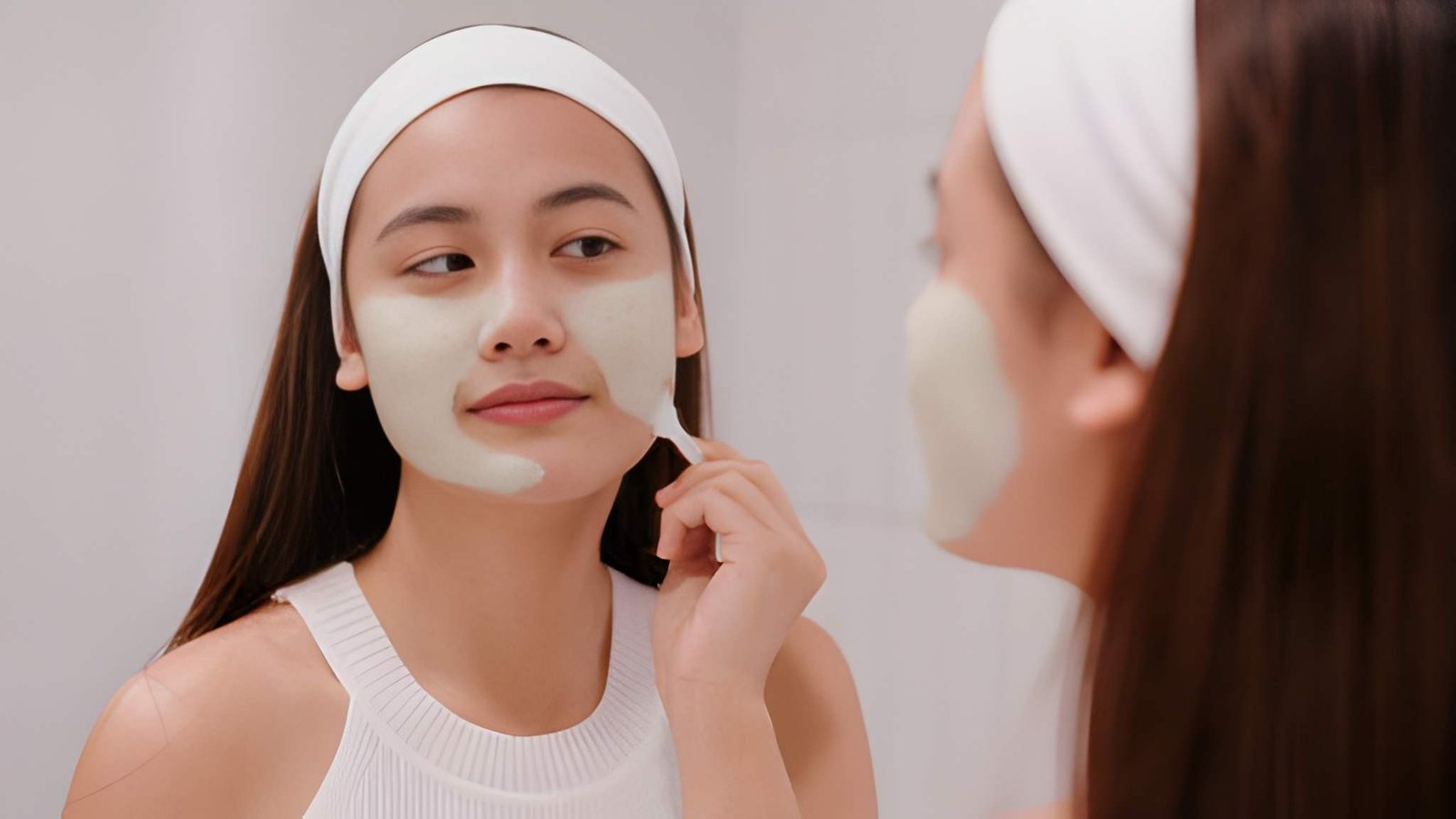
Once your skin adjusts to the basic three-step routine — usually after about 4 weeks — you can add a couple of optional extras. Emphasis on optional.
- Clay mask (1–2x per week)
A kaolin or bentonite clay mask draws out impurities from congested pores. Use it once or twice a week maximum — not every day. Your skin needs to breathe.
- Gentle chemical exfoliation (1x per week)
A mild AHA (like lactic acid) once a week helps remove dead skin cells and improves texture. Avoid physical scrubs — those tiny beads create micro-tears and make acne worse, not better.
Remember: overloading your routine is how you end up right back where you started. More products ≠ better skin.
Product Recommendations for Acne Beginners That Actually Work
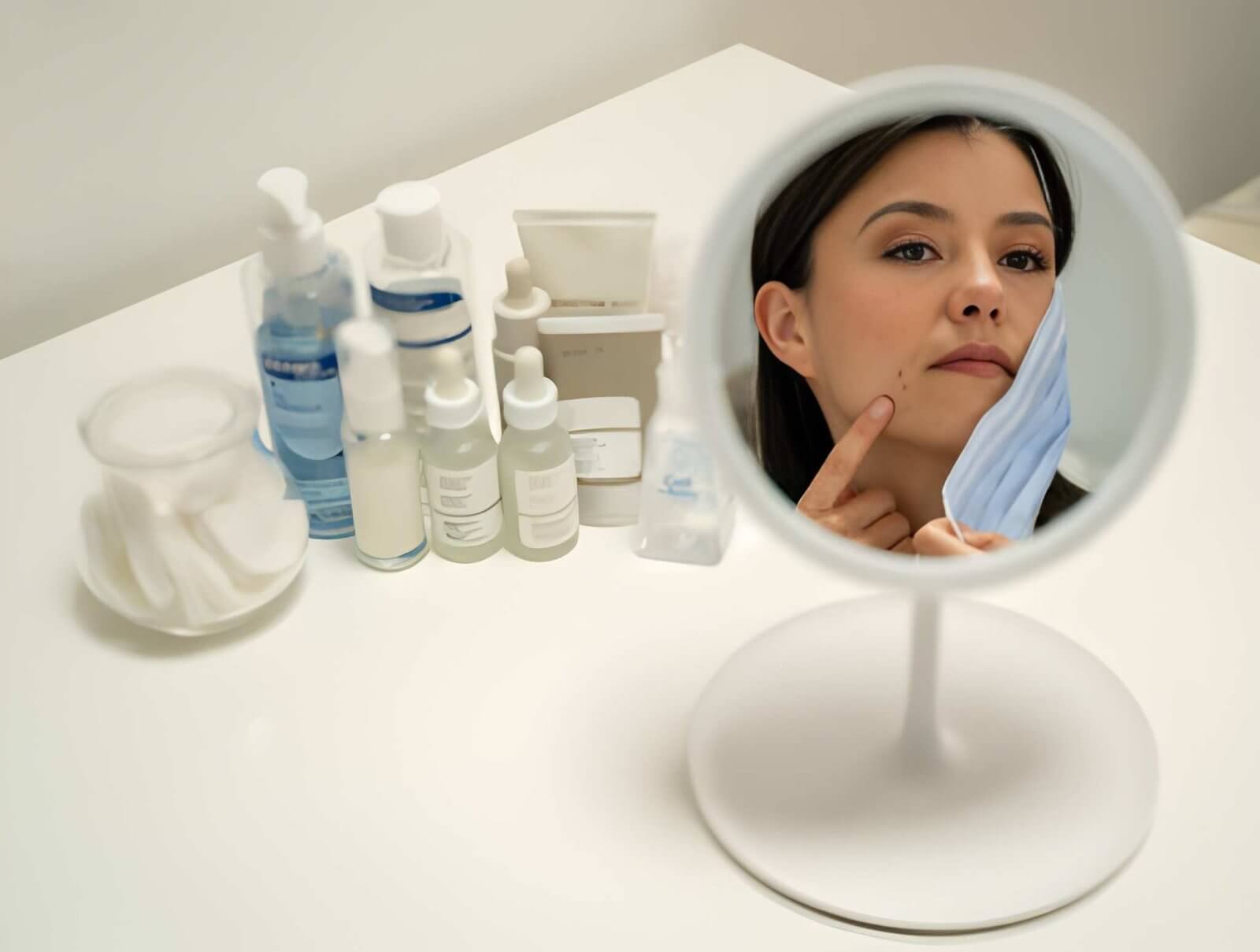
Here’s the honest breakdown of beginner-friendly products that I’d actually recommend to someone starting from scratch. IMO, you don’t need to spend a lot to get good results — most of the best acne products are budget-friendly.
| Product | Skin Type | Price | Why it works |
| CeraVe Hydrating Cleanser | Normal / Dry | Budget | Ceramides restore barrier |
| La Roche-Posay Effaclar Gel | Oily / Acne-prone | Mid-range | Zinc PCA controls oil |
| Neutrogena Hydro Boost | All types | Budget | Hyaluronic acid, oil-free |
| EltaMD UV Clear SPF 46 | Acne-prone | Splurge | Niacinamide calms redness |
| Skin Aqua UV Moist Milk | All types | Budget | Lightweight, no white cast |
| The Ordinary Salicylic Acid 2% | Oily / Combo | Budget | BHA unclogs pores |
| Neutrogena On-the-Spot BP | Spot treatment | Budget | Kills acne bacteria fast |
A few buying tips before you hit checkout:
- Always patch test new products on your jaw for 2–3 days before applying to your full face.
- Don’t buy everything at once. Start with a cleanser, moisturizer, and SPF — add treatment after 2 weeks.
- Drugstore brands like CeraVe and La Roche-Posay are dermatologist-recommended and genuinely work.
How to Read a Product Label (The Quick Version)
You don’t need a chemistry degree, but knowing a few key terms will save you from a lot of bad purchases.
- Non-comedogenic
Means the formula is designed not to clog pores. Always look for this on moisturizers and sunscreens.
- Oil-free
Especially important for moisturizers and foundations if you have oily or acne-prone skin.
- Fragrance-free
Fragrance is one of the most common skin irritants. If you have sensitive, acne-prone skin, fragrance-free is the way to go.
- Alcohol-denat near the top of the ingredient list
Red flag. Drying alcohols strip your skin barrier and make acne worse over time. A little alcohol low on the list is fine; high up? Skip it.
How Long Before You Actually See Results?
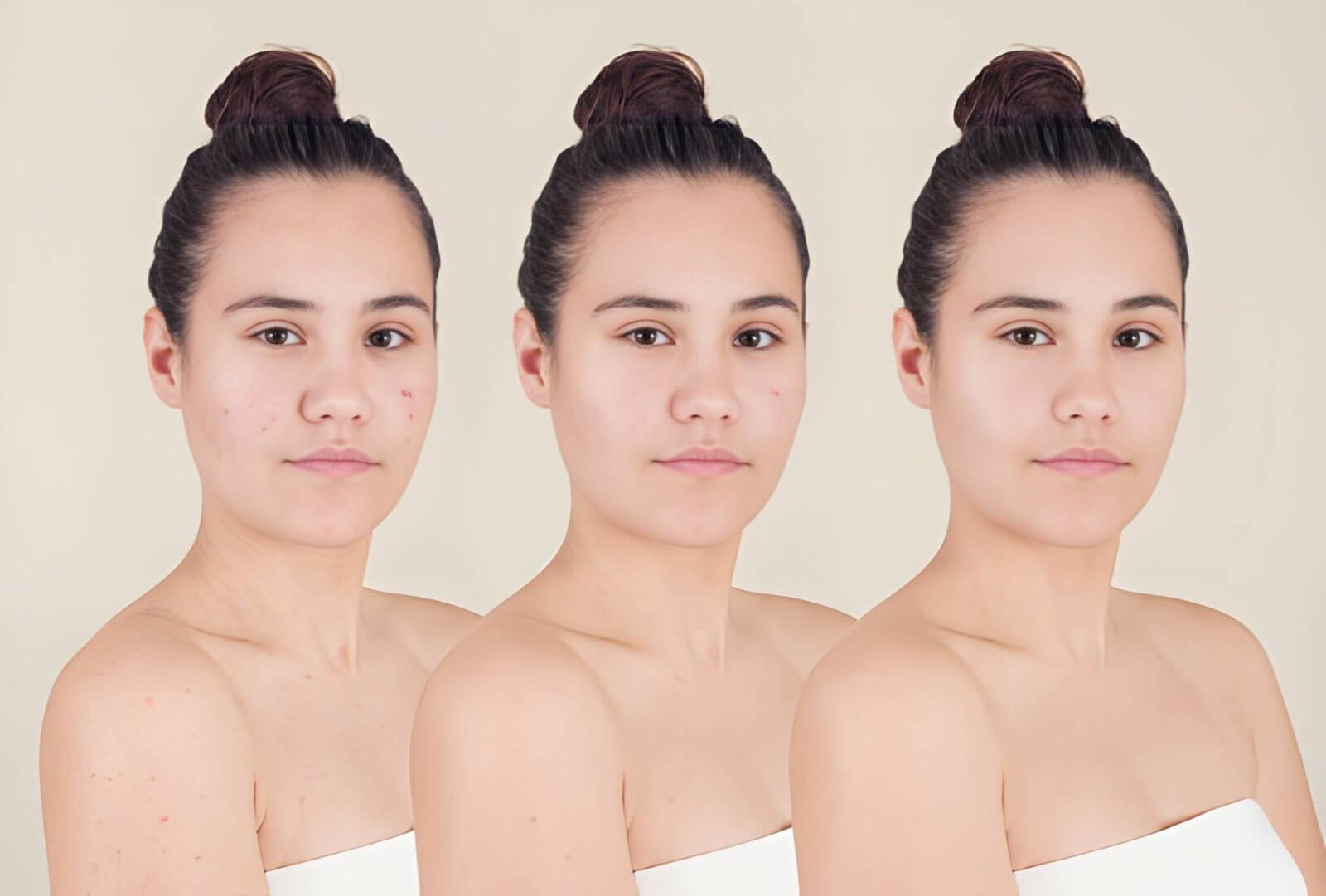
Let’s set realistic expectations here, because this is where most people give up. Skincare is not instant gratification — and anyone who tells you otherwise is trying to sell you something.
- Week 1–2: Your skin might look slightly worse.
This is called purging — new actives speed up skin cell turnover, which can push clogs to the surface faster. If you’re breaking out in the same spots you normally do, that’s likely purging. If you’re getting breakouts in totally new areas, that might be a reaction — stop and reassess.
- Week 3–4: Small improvements start appearing.
Fewer new breakouts, less inflammation, texture starting to smooth out. This is the first real sign it’s working.
- Week 6–8: Visible results.
This is when most people start seeing significant changes — clearer skin, fading marks, less congestion.
If you’ve been consistent for 8 weeks and see zero improvement, that’s worth discussing with a dermatologist. Some acne — especially hormonal or cystic — needs prescription treatment.
What to Avoid When You Have Acne
The routine gets you 70% of the way there. The other 30% is cutting out habits that are silently sabotaging your skin.
- Touching your face constantly
Your hands carry bacteria and oil everywhere they go. Every time you rest your chin on your hand, prop your face up while reading, or absentmindedly pick at your skin, you’re transferring that bacteria directly to your pores.
- Dirty pillowcases
You spend 7–8 hours pressing your face into a pillowcase that collects dead skin cells, hair product, and oil. Change yours every 2–3 days. Sounds extreme — but it works.
- Heavy, pore-clogging makeup
Full-coverage foundations with thick formulas can trap oil and clog pores, especially if you’re not double cleansing at night. Stick to non-comedogenic, buildable coverage options.
- High-glycaemic foods and excess dairy
The diet-acne link is real, especially for hormonal acne. High-sugar foods spike insulin, which triggers oil production. Dairy (especially skim milk) has been linked to acne in multiple studies. You don’t have to cut these out completely — but if you’re breaking out consistently, it’s worth experimenting.
- Chronic stress and poor sleep
Stress spikes cortisol, cortisol spikes oil production, oil clogs pores. It’s not a vibe check — it’s actual biochemistry. Prioritizing sleep isn’t just wellness advice; it’s legitimately good for your skin.
FAQ — The Questions Everyone Actually Has
Can beginners use salicylic acid every day?
Yes, but start every other night. Daily use right away can over-dry your skin, especially if you’re new to actives. Build up over 2–3 weeks until your skin adjusts, then use it nightly if it tolerates it well.
Should I moisturize if my skin is oily and acne-prone?
Absolutely, yes. Skipping moisturizer tells your skin it’s dehydrated, so it compensates by producing more oil. A lightweight, oil-free gel moisturizer gives your skin the hydration it needs without adding grease. This is one of the most counterintuitive but important steps.
Is sunscreen really necessary if I have acne?
This is not optional. UV exposure makes post-inflammatory hyperpigmentation (those dark marks after a pimple heals) significantly darker and longer-lasting. Use a non-comedogenic, oil-free SPF 30+ every single morning, even on cloudy days, even indoors near windows.
What’s the best routine for oily, acne-prone skin specifically?
Go with a gel cleanser (not cream), a water-based oil-free moisturizer, and salicylic acid at night as your treatment. Avoid heavy creams, oils, or anything labeled “rich” or “nourishing” — those formulas are made for dry skin and will block your pores.
How can I tell if I’m experiencing a response or purging?
Purging happens in the spots where you normally break out, within the first 4–6 weeks of starting a new active ingredient. New breakouts appearing in new areas — forehead if you usually break out on the chin, for example — is more likely a reaction. If it’s a reaction, stop using that product and let your skin recover.
Final Thoughts: Simple Wins Every Time
Here’s the thing about skincare — the most expensive routine isn’t the most effective one. The most consistent routine is. Three steps, twice a day, every day, for at least 6–8 weeks.
Your skin took time to get where it is. It’s going to take time to heal. That’s not a flaw in the plan — that’s just how skin biology works. And once you find a routine that clicks? It genuinely becomes second nature. 🙂
Start with the basics, resist the urge to add everything at once, and remember: consistency beats complexity every single time.
📌 Save this routine for later so you can come back to it.
What’s your skin type? Drop it in the comments — I’d love to help you tailor this routine to what your skin actually needs.